
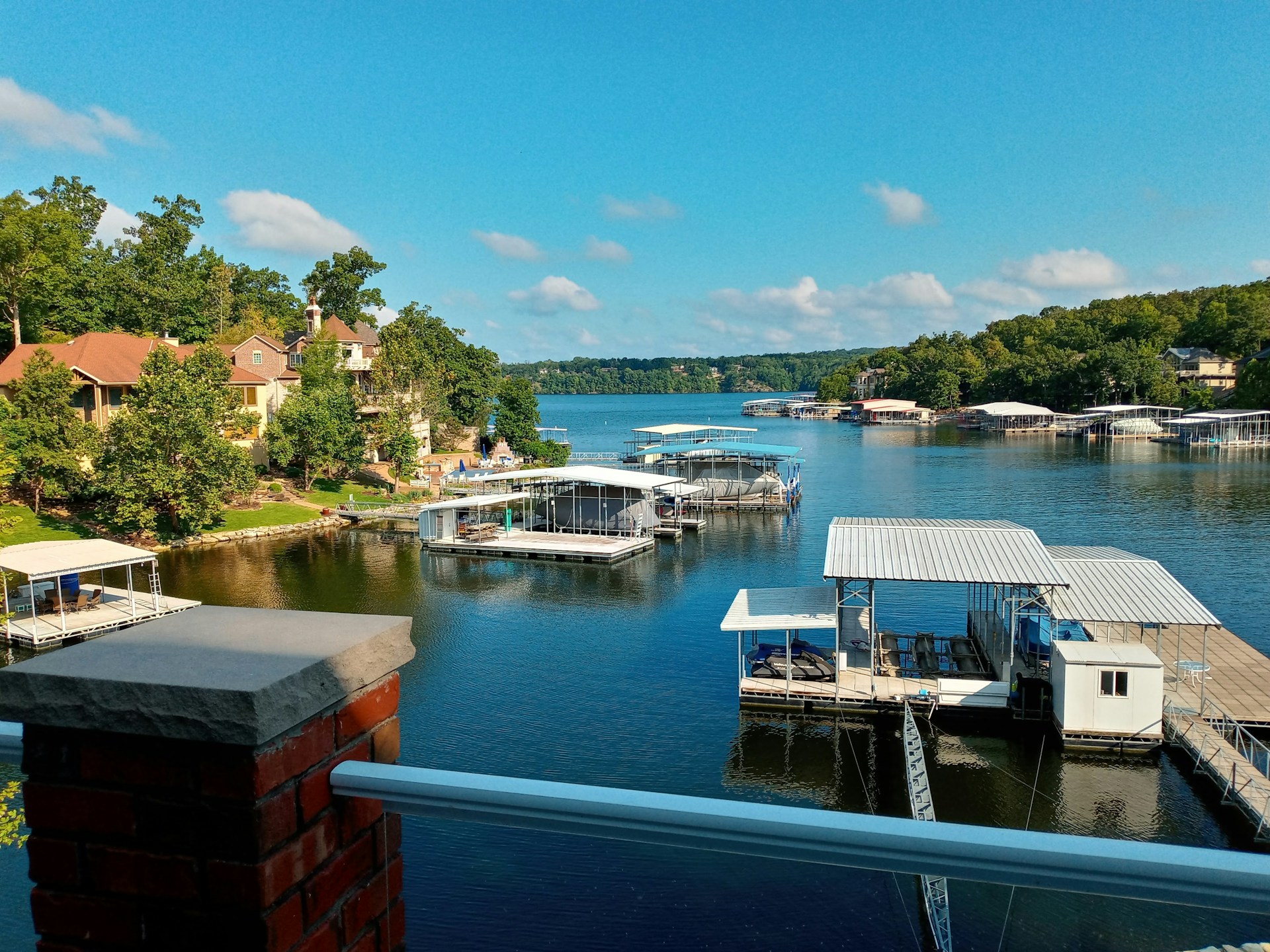
Real Estate & Realtors
Real estate websites that bring you the call.
If you sell real estate around the Lake of the Ozarks, your website has two jobs: show your listings fast on a phone, and make it easy for a buyer to reach you. That's it. We build real-estate sites for agents, teams, and brokerages in Lake Ozark, Osage Beach, Camdenton, Sunrise Beach, Laurie, Eldon, and the rest of the Lake area. Call (573) 746-2417 and a real person picks up.
What a real-estate site needs around here
Around the Lake, buyers shop with their phone. They're at a dock, on a boat, in a coffee shop in Osage Beach, scrolling listings between meetings. If your site takes five seconds to paint or your photos pop in slow, they're gone. We build every real-estate site mobile-first so the listings page snaps open and the gallery swipes clean.
The other piece is the contact path. Buyers around the Lake want to text, call, or fill a short form. Long forms with twelve fields kill leads. We keep the form short, route it to your inbox or your phone, and put a tap-to-call button at the top of every page so somebody driving past the Bagnell Dam can hit your number with one thumb.
IDX search, or curated lakefront pages, your call
If you want full MLS search on your site, we wire up an IDX provider (iHomeFinder, IDX Broker, Showcase IDX, or a RESO feed straight from Bagnell or Lake of the Ozarks Board of Realtors). The search lives inside your site, themed to match. You pay the IDX vendor monthly. We handle the setup.
The other path is what a lot of Lake-area agents actually do better with: a curated set of featured listings plus written pages for the neighborhoods and developments folks search for, like Four Seasons, the Village at Lake Ozark, Porto Cima, Shawnee Bend, lakefront homes in Sunrise Beach. Those pages rank on Google for the searches buyers actually type. Leaner, faster, no monthly IDX fee, and Google likes them.
Show up on Google for Lake-area searches
A buyer Googles "lakefront homes Osage Beach" or "Four Seasons condos for sale" or "Camdenton real estate agent" and picks from the first few results. We build your site with proper schema, Lake-area location signals, and written neighborhood pages so Google knows you cover Lake Ozark, Osage Beach, Camdenton, Sunrise Beach, Laurie, Eldon, Versailles, Linn Creek, and Gravois Mills. That's the SEO work that matters around here. Not chasing national keywords. Local stuff folks actually search.
Recent work
Live sites we've built lately
A sample from the portfolio. Every one of these is a site we designed, built, or are actively maintaining today.
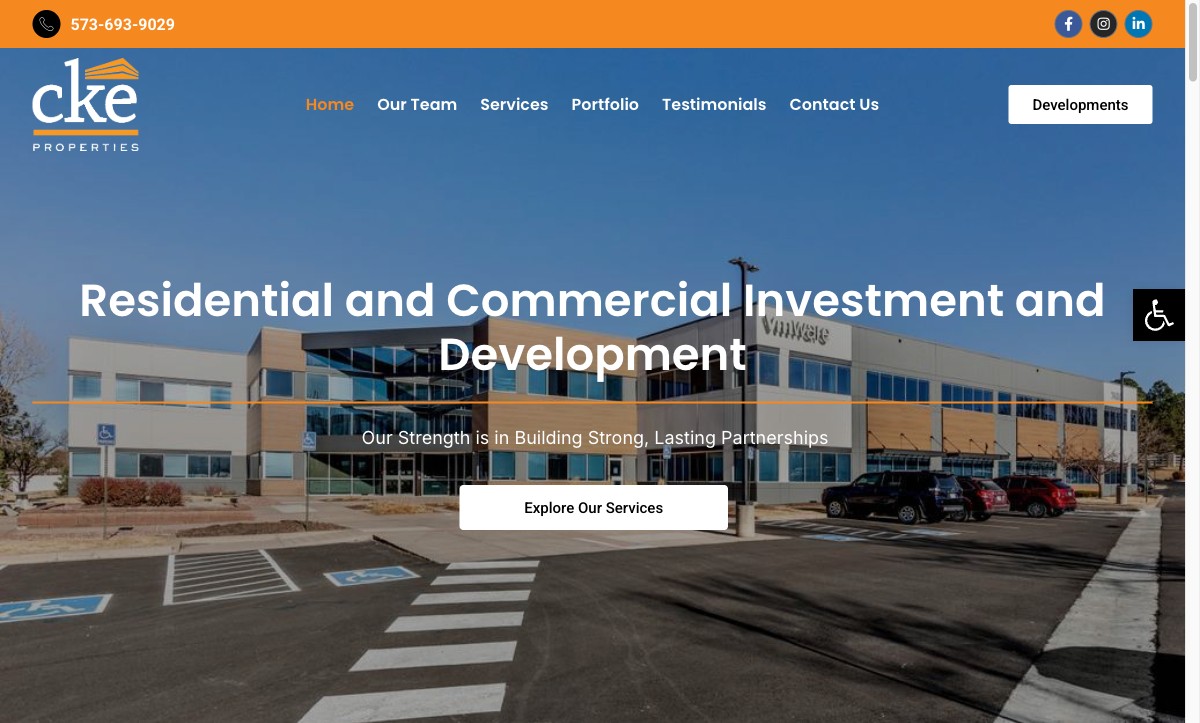
CKE Properties ↗
Real-estate team site. Custom WordPress plugin for flat-HTML neighborhood pages that rank and load instantly.
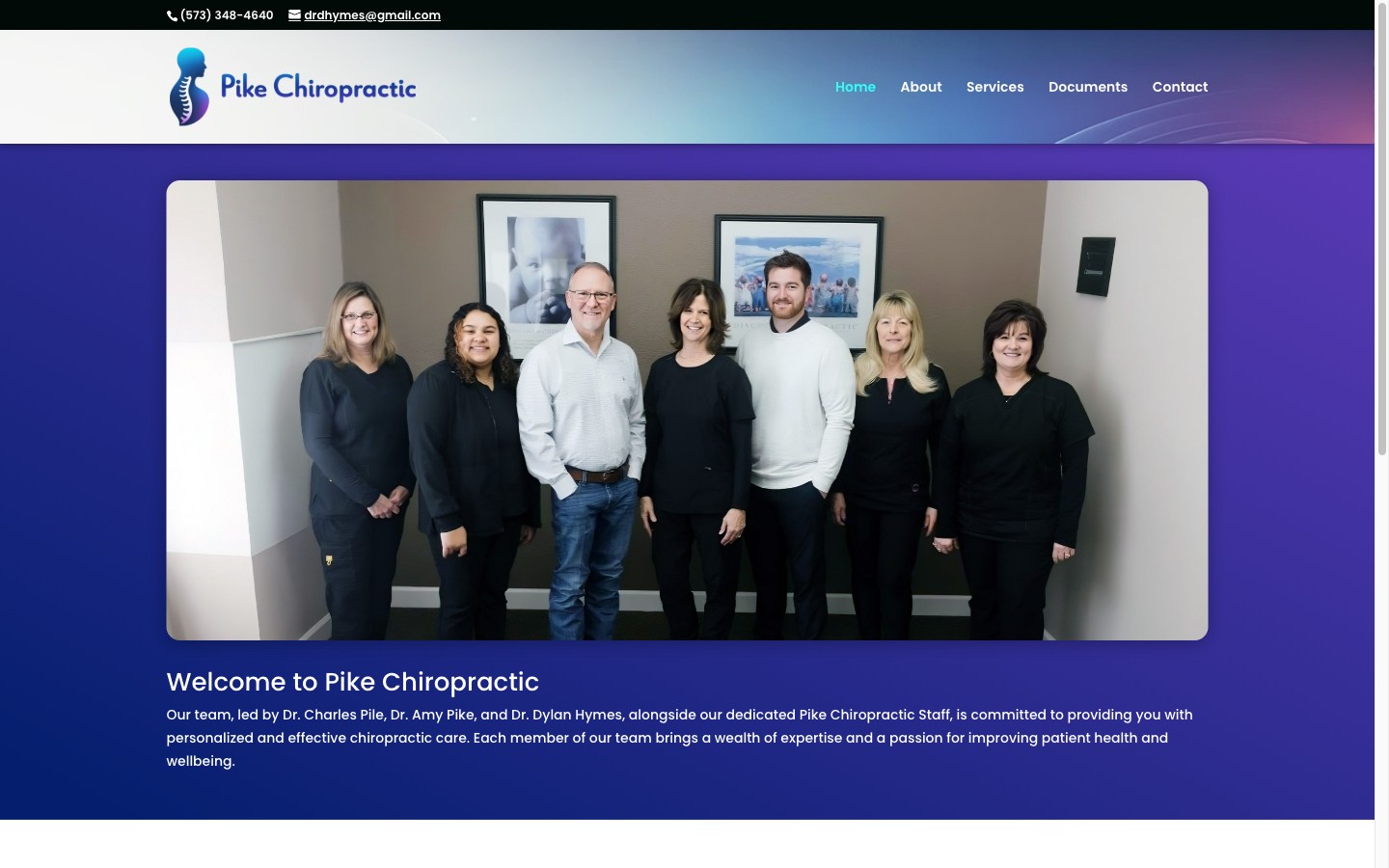
Pike Chiropractic ↗
Professional-practice site, a long-running client since 2008. Patient-education library and booking flow.
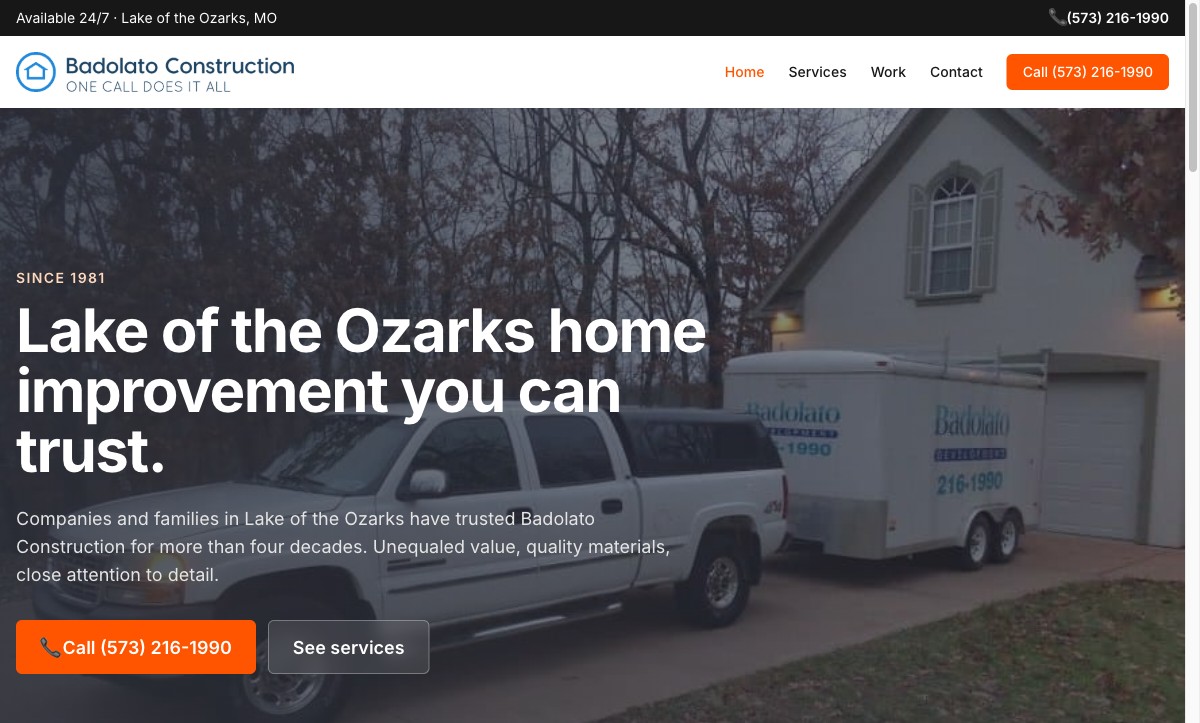
Badolato Construction ↗
Family-run builder. Tailwind static site, portfolio-by-project-type, mobile-first performance budget.
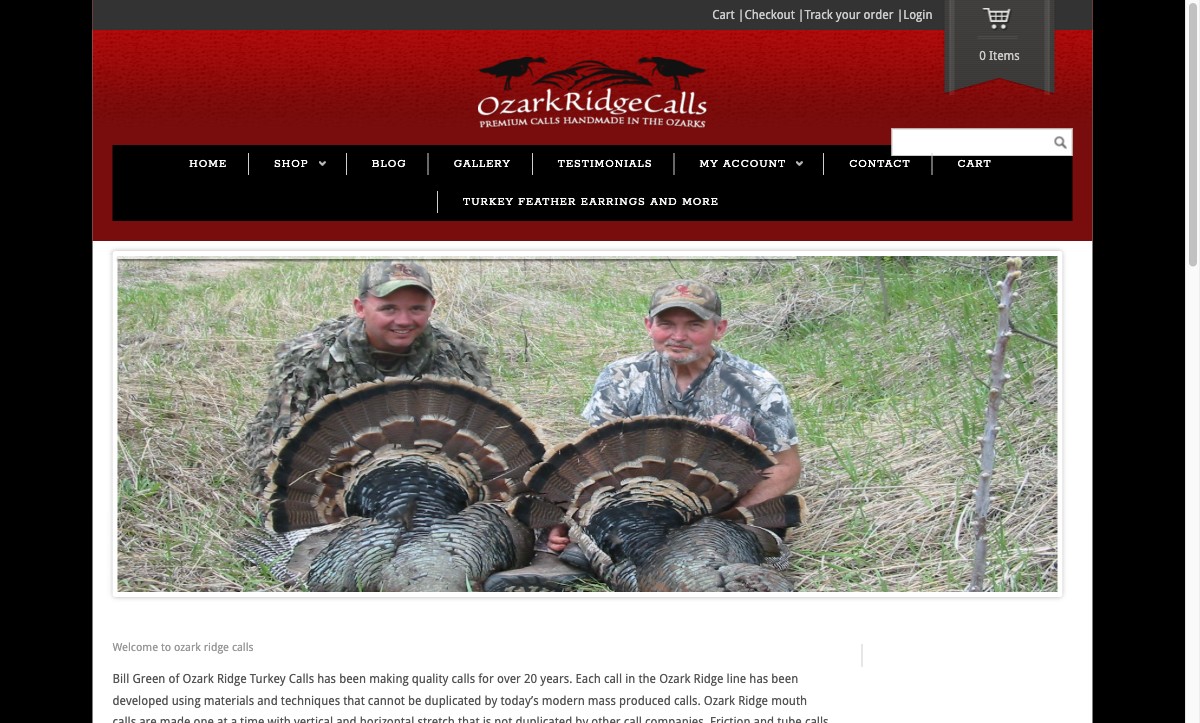
Ozark Ridge Calls ↗
E-commerce retailer running WooCommerce since 2013. Long-term hosting, maintenance, and feature-dev relationship.

Lighter Focus Photography ↗
Photographer portfolio. Fast, gallery-heavy, designed so the work does the talking and the booking form is one tap away.
FAQ
Common questions
Can you move our IDX over from the old site?
Yes. IDX search is portable. The new site takes over the look and the pages, the MLS feed and the IDX vendor stay the same. Usually a one-day swap once the new site is built.
Do you cover the IDX or MLS fees?
No. Those go straight to the IDX vendor and the Lake of the Ozarks Board of Realtors (or whichever board you're with). We help you pick a vendor and set it up. The monthly bill stays in your name.
Will my site rank for Lake-area neighborhood searches?
It can, but ranking comes from real neighborhood pages with real content, not just an IDX widget. A good page on Four Seasons, Porto Cima, or Shawnee Bend ranks because Google can read it and a buyer wants to read it. We write or help you write those pages.
Can leads from each agent's page go to that agent?
Yes. For team sites, the inquiry form on each agent's page emails or texts that agent directly. For brokerages, we can set up a small intake routing layer so the broker can reassign leads. Whichever fits how your team actually works.
How fast does it launch?
Two to three weeks for most agent or team sites. Bigger brokerage sites with agent directories and custom neighborhood pages take a little longer. We tell you the timeline in writing before we start.
Ready to talk?
Tell us what you're thinking.
We quote every project as a flat fee in writing once we understand the scope. Drop us a note, give us a call, or send a text. We'll get back within one business day.