Restaurants & Bars
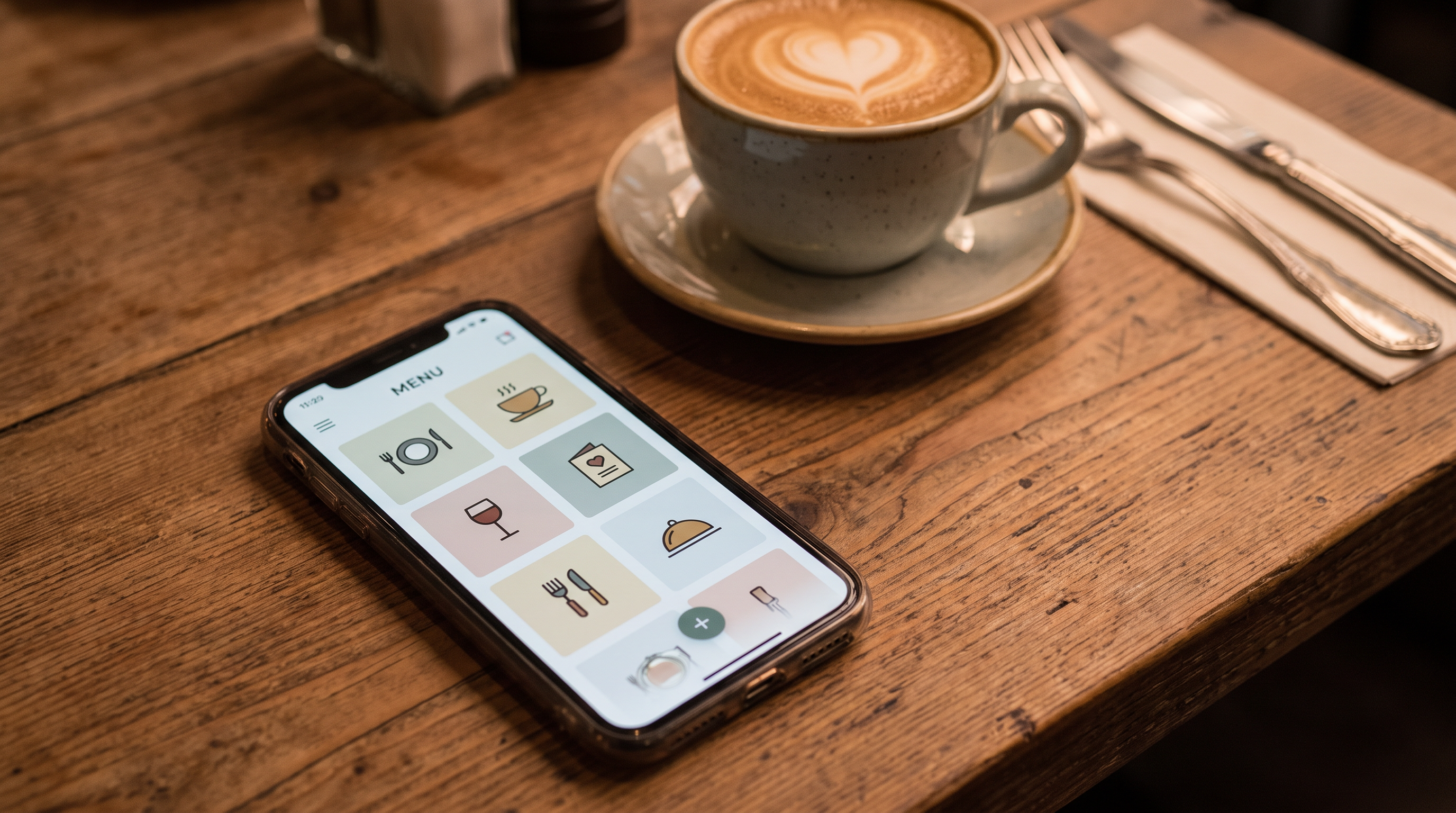
A guest in the truck with a hungry family has ten seconds. Menu, hours, phone, directions. We build for restaurants and bars at the Lake of the Ozarks, in Springfield, Jefferson City, Columbia, Kansas City, and St. Louis. Since 2006. Fixed-fee pricing in writing. Call (573) 746-2417.
If a tourist pulled over off the highway can get all five of these on their phone in ten seconds, your site is doing its job.
Real web page, scrollable, with prices. Not a slow PDF.
Right at the top. Not a seven-day grid to read.
One tap into Google Maps or Apple Maps.
Tappable, no scrolling. Reservation or a phone call.
Patio, lakeside seating, bar, dining room. Sets the mood.
Everything else (catering, events, the owner's story, gift cards) is nice to have. If the five above are not front and center, the family in the truck picks a different restaurant, because six other options are one search away.
A vacationer at a resort in Osage Beach types "lakefront restaurant near me". A group downtown searches "best burger Springfield MO" or "brunch Columbia MO". A family driving through Jefferson City looks for "Mexican food near me". Whoever ranks in the top three gets the visit. We build your site so Google knows exactly where you are and what you serve. Schema with your real address, a Google Business Profile dialed in, and pages written for the searches your customers actually type. That is the SEO work that brings in tourists in summer, university traffic in the college towns, and locals year round.
Lake of the Ozarks restaurants live in two seasons. Summer is tourists at the dock. Winter is locals from Lake Ozark, Camdenton, Eldon, and Laurie stopping in with the family. Same pattern in college towns: game-day and move-in weekends drive spikes, locals fill the rest of the calendar.
If you want online ordering (Toast, Square, ChowNow), reservations (OpenTable, Resy), or just a tappable phone number, we wire up whatever fits how you actually run the place.
PDF menus were a 2008 solution. We build proper menu pages that Google can read.
Recent work
A sample from the portfolio. Every one of these is a site we designed, built, or are actively maintaining today.
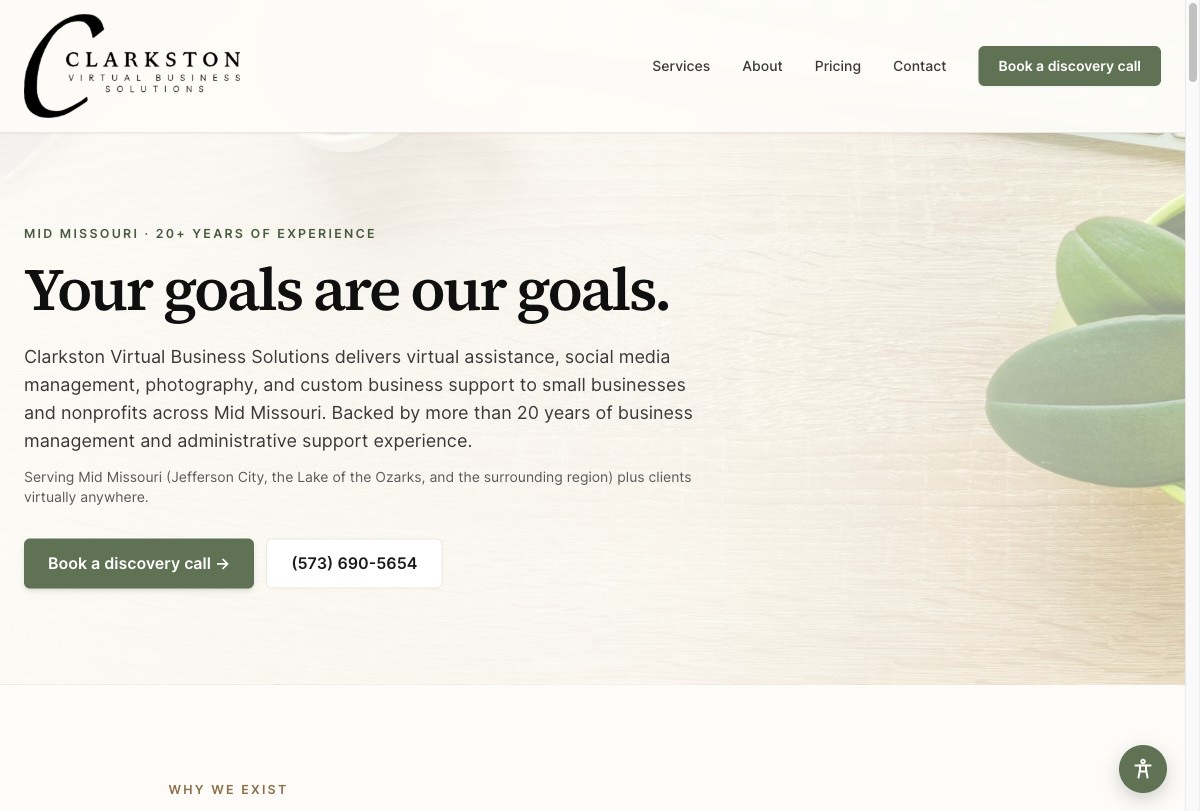
Virtual bookkeeping · Eugene, MO
A husband-and-wife virtual bookkeeping and admin firm in Eugene, Missouri. Single-page WordPress site, custom theme, contact form straight to the owner.
goclarkston.com →
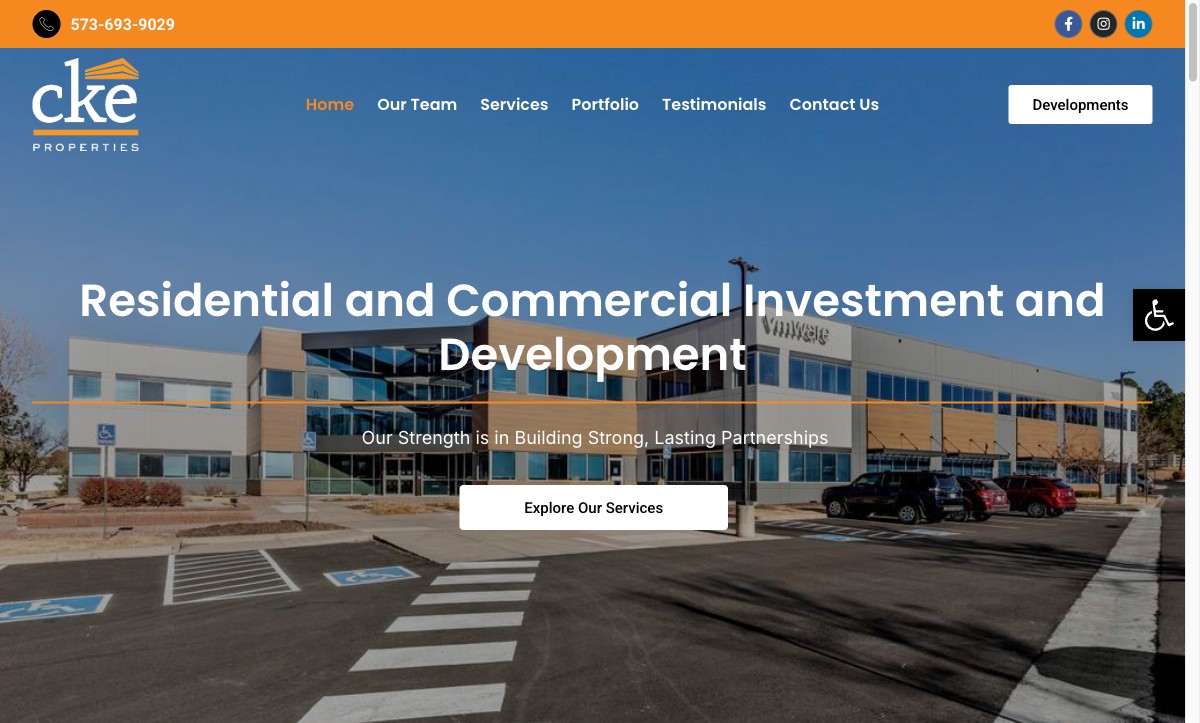
Real estate · Lake Ozark
Residential and commercial development here at the Lake. A clean, serious site that's easy to update and fast on a phone.
ckeproperties.com →
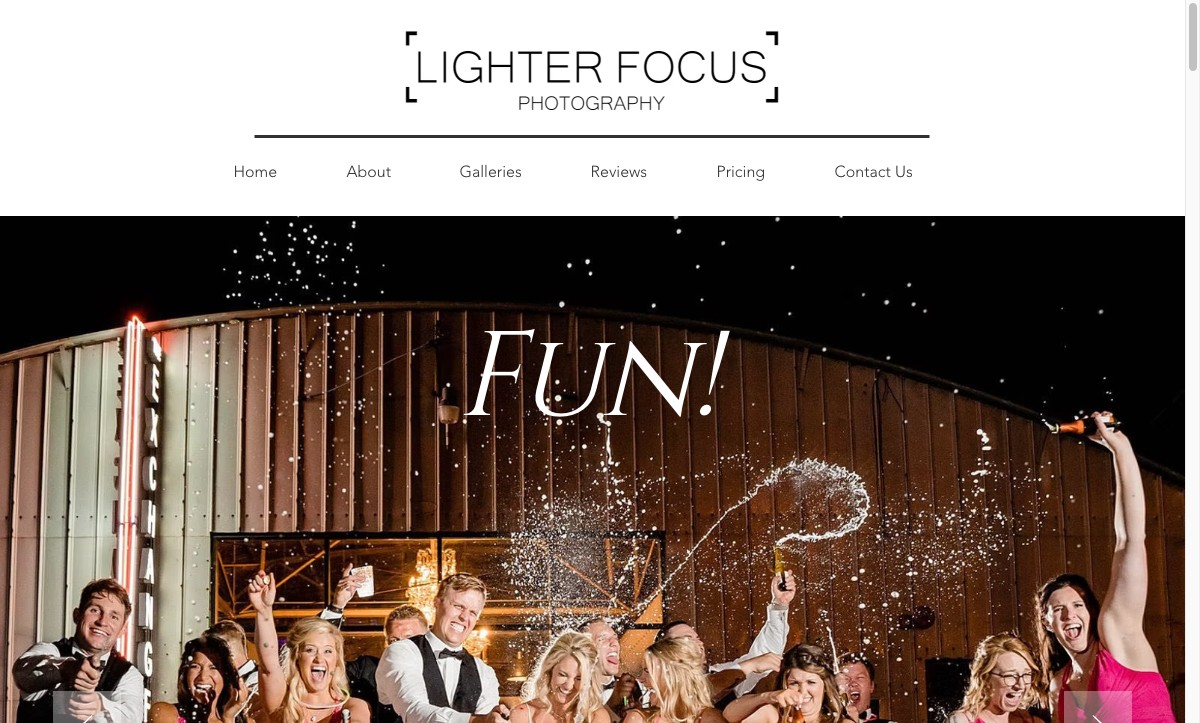
Photography · Missouri
A Missouri wedding photographer. After a complete redesign and cleanup, the new site lets the photos do the talking and makes inquiries easy.
lighterfocus.com →
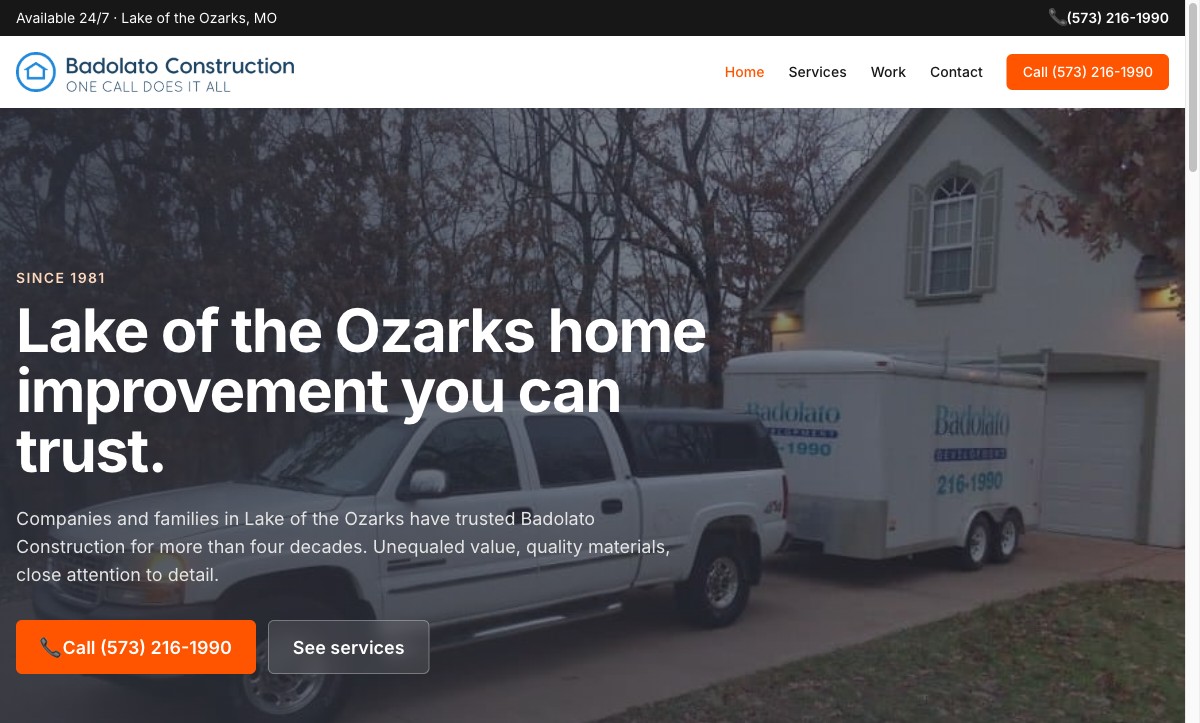
Home improvement · Lake of the Ozarks
A local family-owned home improvement company, in business since 1981. We built a simple, trust-first site with call-now CTAs and plain service pages.
badolatoconstruction.com →
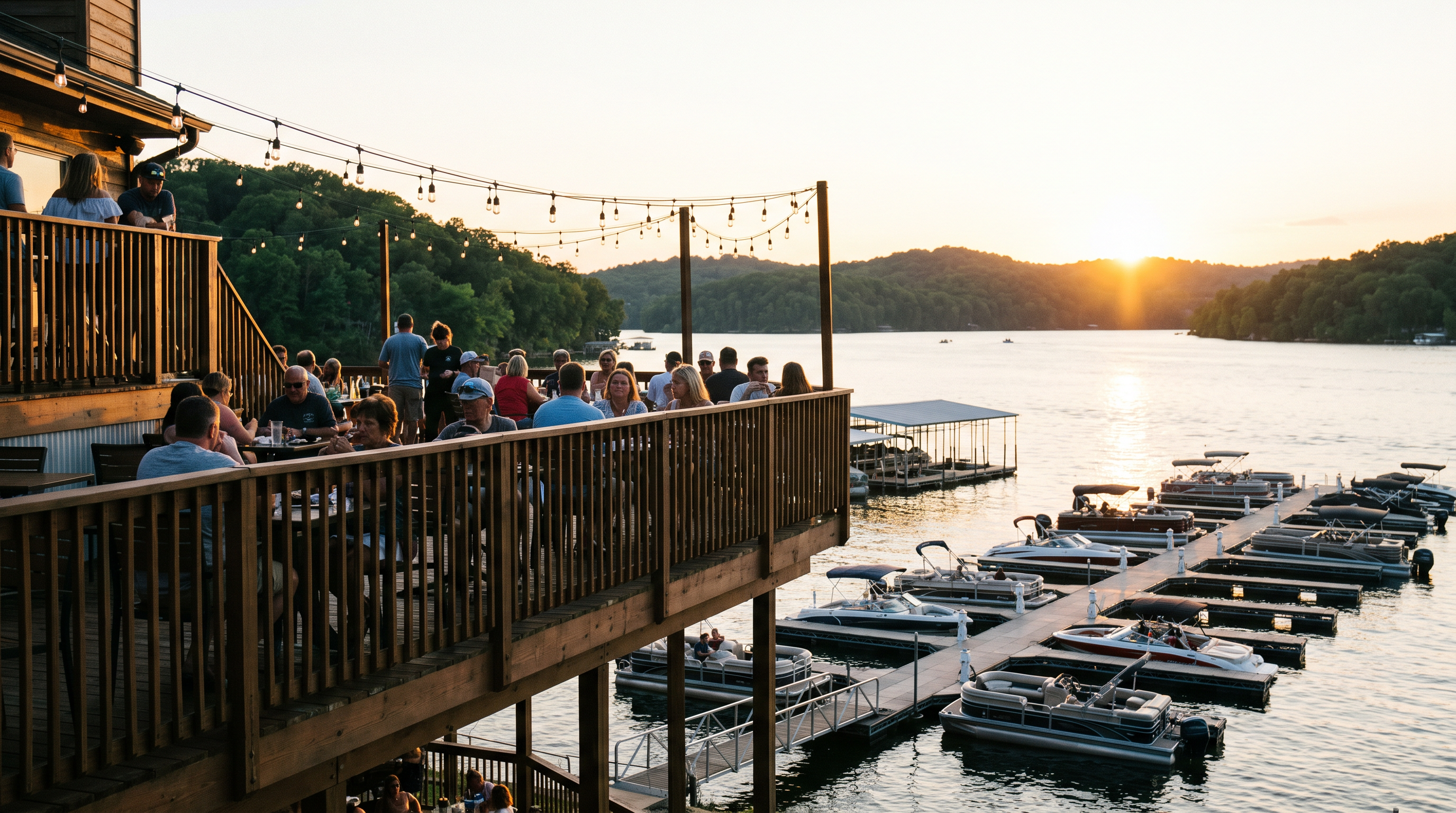
Fill more tables, on the site and the phone.
Written scope and price back within one business day.
FAQ
No. PDFs load slowly, look bad on phones, and Google can't index the text. We build your menu as a real web page that loads instantly and lets you update a price in ten seconds. PDF menus were a 2008 solution. We build proper menu pages.
Depends on your takeout volume. If you're doing more than a few takeout orders a week, online ordering pays for itself fast versus DoorDash and Grubhub fees. If takeout is small for you, a tappable phone number works just fine. We tell you what makes sense for your place.
OpenTable is the big one if you want diners to find you inside their app. Resy is simpler. For most Missouri restaurants outside the largest metros, a phone number or a short "reserve a table" form is plenty. Don't pay reservation software fees you don't need.
Two to three weeks for most restaurant sites. Faster if you have your menu and a few photos ready when we start.
Yes. Change a price, add a daily special, swap a photo, all in a couple minutes from your phone. We walk you through it after launch.
Ready to talk?
We quote every project as a flat fee in writing once we understand the scope. Drop us a note, give us a call, or send a text. We'll get back within one business day.
Short reads on the projects we handle most. Service by service, industry by industry, and city by city across Missouri.
Services
Industries
Missouri service areas
Choices save on this device.
We are committed to providing a website experience that is accessible to the widest possible audience and to continually improving accessibility and usability across our website and services.
Our goal is to support applicable accessibility standards, including the Web Content Accessibility Guidelines (WCAG) 2.1 Level AA, through ongoing evaluation, testing, remediation, and improvement efforts.
Accessibility is an ongoing process. While we strive to make all pages and functionality accessible, some content or features may not yet fully conform to all accessibility standards at all times. We are continuously working to improve accessibility as technologies, standards, and user needs evolve.
This website may include tools and features intended to enhance accessibility and usability, such as options for text scaling, contrast adjustment, and reduced motion preferences. These tools are intended to assist users but may not address every accessibility need or work equally for all users or assistive technologies.
If you experience difficulty accessing any content, feature, or functionality on this website, or if you have specific accessibility questions or concerns, please contact us. We take accessibility feedback seriously and will make commercially reasonable efforts to address reported issues and provide requested information or services through an alternative method where appropriate.
Contact: Get in touch through our contact page →
Last updated: 2026