
Churches
A church website talks to two people at once: the member checking service times and the first-time visitor deciding whether to walk in Sunday. We build for both. Missouri congregations at the Lake of the Ozarks, in Jefferson City, Columbia, Springfield, and the Kansas City and St. Louis metros, with Planning Center, livestream, and sermon integrations that actually run. Since 2006. Fixed-fee pricing in writing. Call (573) 746-2417.
Before a stranger walks in Sunday, they want five answers. Not the mission statement. Not the doctrine page. Those matter, but not at the moment a visitor is deciding whether to come.
Service times pinned at the top. Weekday programs too.
Photos of the building and lot so the first-timer knows where to pull in.
Short honest answer. Nobody wants to feel out of place.
Photos of the kids area so parents see it is clean and safe.
Set expectations for the service length so people can plan.
Most first-time visitors evaluate a church the same way they pick a restaurant: they look at the website Saturday night. A "Plan Your Visit" section sits at the top of every church site we build.
Most church sites go stale because updating them is painful. A volunteer has to log in, fight a clunky editor, and give up. Then the homepage shows a sermon from August. We wire your site up to the tools your church already uses.
YouTube channel feeds straight into the site. We handle the case where YouTube killed public RSS in 2025 by scraping the channel page for you.
Events and small groups auto-pulled through the Church Center API. What staff manages internally shows up on the public site. No double entry.
Sunday morning you go live on YouTube, a "watch live" button appears on the homepage on its own. Not live? It shows the most recent sermon.
A volunteer with normal computer skills should be able to update the site in a couple of minutes. Not a developer.
A volunteer with normal computer skills should be able to add an announcement, swap a photo, post a sermon, or update the kids calendar in a couple of minutes. Not a developer. Not a paid plugin. Just a person at the church who knows how to use a phone.
We have built sites for First Baptist Church of Camdenton, multiple congregations running on the same Tailwind theme we share across ministry clients, and the SaaS marketing site for ChurchInviter (a postcard and social invite tool used by churches across the country). Planning Center, Subsplash, Pushpay, Church Center, livestream, sermon archives. Familiar territory.
Recent work
A sample from the portfolio. Every one of these is a site we designed, built, or are actively maintaining today.
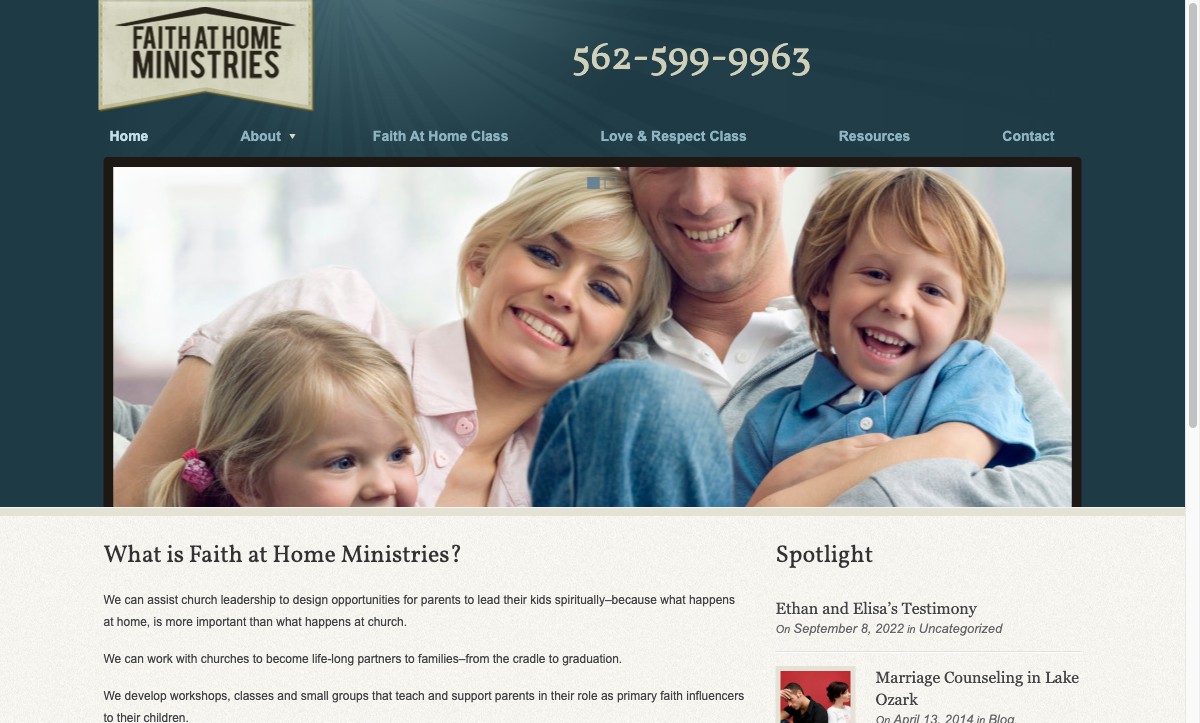
Ministry · Nonprofit
A ministry that needed both branding and a solid site. We gave them a warm visual identity and a platform to share resources with churches and families.
faithathomeministries.org →
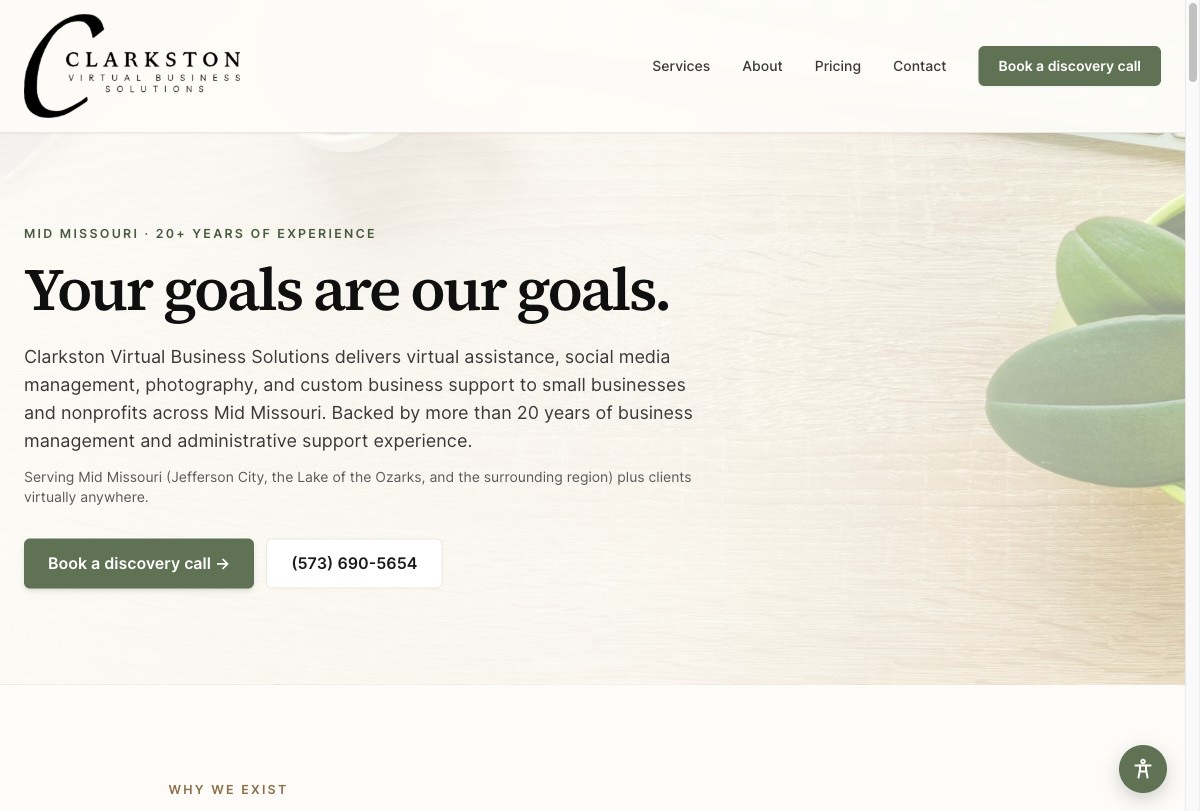
Virtual bookkeeping · Eugene, MO
A husband-and-wife virtual bookkeeping and admin firm in Eugene, Missouri. Single-page WordPress site, custom theme, contact form straight to the owner.
goclarkston.com →
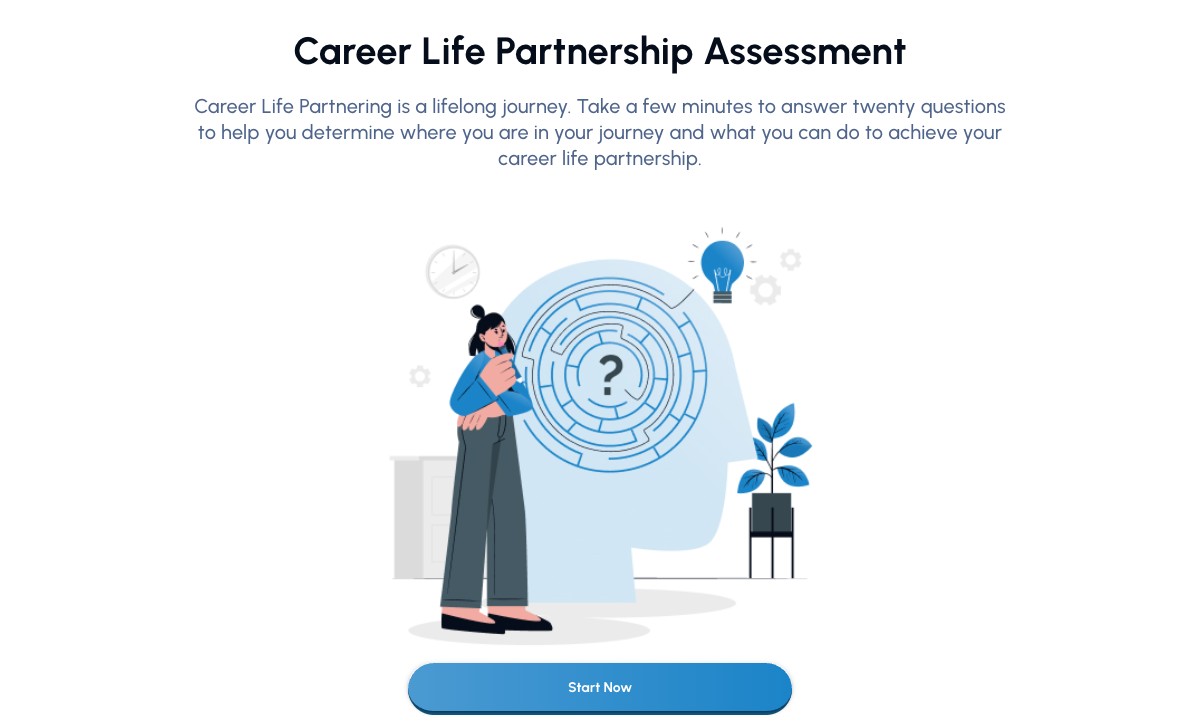
Web app · Coaching
A 20-question career and life assessment with scored results. A custom web app, no separate login, no downloads, just fill it out on the site.
ownthelifeyoudeserve.com →
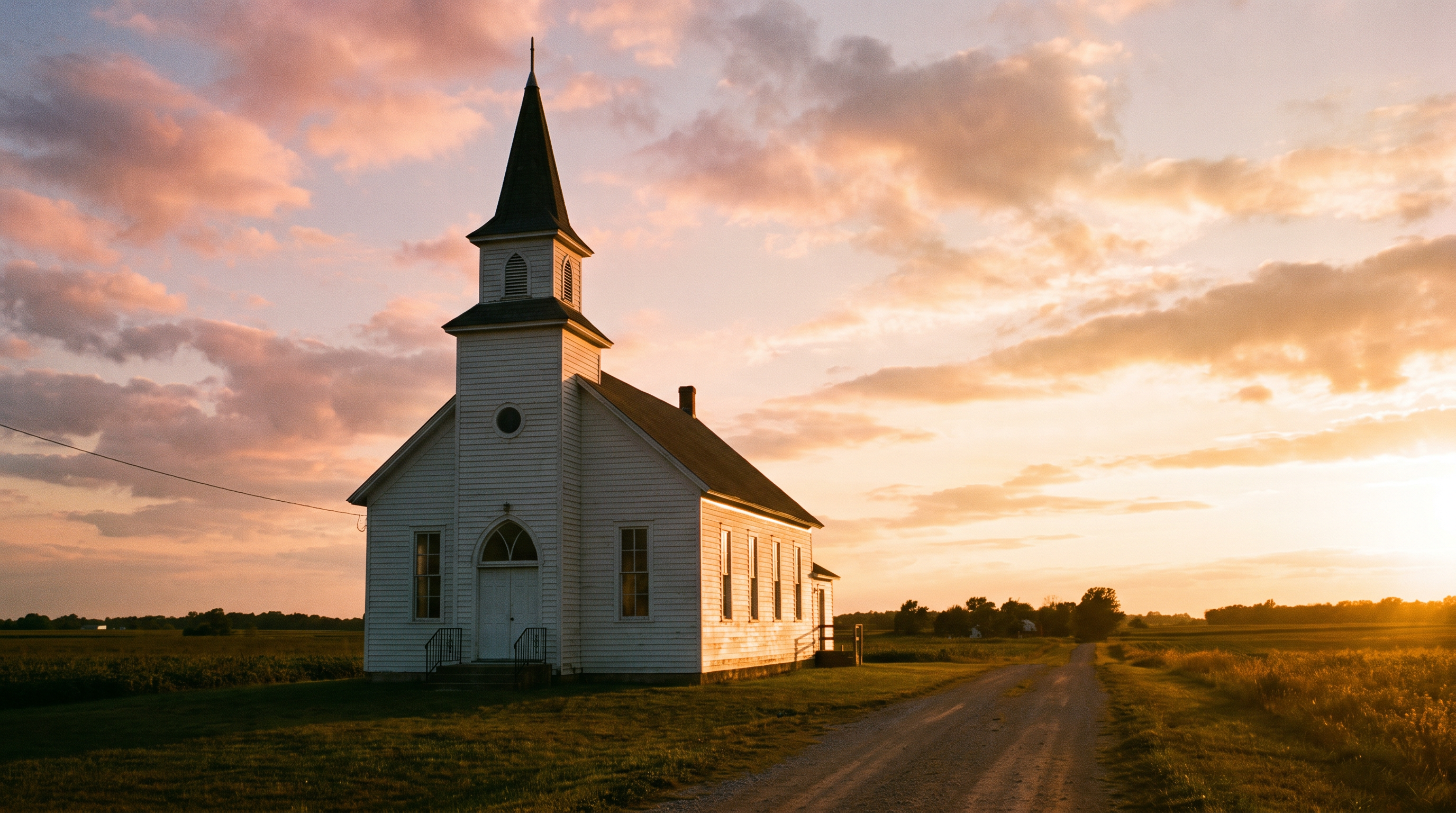
Welcome first-time visitors, week after week.
Written scope and price back within one business day.
FAQ
Yes. Every church site we build is set up so a volunteer with normal computer skills can add announcements, swap photos, post events, and manage pages without calling us. We walk your point person through it after launch.
Yes. We built a custom plugin that pulls events and small groups from the Church Center API straight onto your public site, so what you manage in Planning Center shows up automatically. No double entry. Running in production on multiple churches.
If you stream to YouTube, we wire up automatic detection. When you go live, a "watch live" button shows on the homepage on its own. When you're not live, it shows your most recent sermon. Sermons get pulled automatically too. Nothing to update by hand.
Both. We're based at the Lake of the Ozarks in Missouri and have built sites for churches here and across the country. Local churches get in-person meetings if they want. Out-of-state churches get Zoom. The site quality is the same either way.
Smaller churches with simpler sites land at the lower end. Bigger churches with full integrations (Planning Center, livestream, member portals, multiple campuses) are more involved. Tell us what you need and we'll send the price in writing within one business day.
Ready to talk?
We quote every project as a flat fee in writing once we understand the scope. Drop us a note, give us a call, or send a text. We'll get back within one business day.
Short reads on the projects we handle most. Service by service, industry by industry, and city by city across Missouri.
Services
Industries
Missouri service areas
Choices save on this device.
We are committed to providing a website experience that is accessible to the widest possible audience and to continually improving accessibility and usability across our website and services.
Our goal is to support applicable accessibility standards, including the Web Content Accessibility Guidelines (WCAG) 2.1 Level AA, through ongoing evaluation, testing, remediation, and improvement efforts.
Accessibility is an ongoing process. While we strive to make all pages and functionality accessible, some content or features may not yet fully conform to all accessibility standards at all times. We are continuously working to improve accessibility as technologies, standards, and user needs evolve.
This website may include tools and features intended to enhance accessibility and usability, such as options for text scaling, contrast adjustment, and reduced motion preferences. These tools are intended to assist users but may not address every accessibility need or work equally for all users or assistive technologies.
If you experience difficulty accessing any content, feature, or functionality on this website, or if you have specific accessibility questions or concerns, please contact us. We take accessibility feedback seriously and will make commercially reasonable efforts to address reported issues and provide requested information or services through an alternative method where appropriate.
Contact: Get in touch through our contact page →
Last updated: 2026